SERVICE
Product launch
In a launch, time is the one resource you cannot buy more of. The release date is fixed, and everything not done by then is done late.
First plan in two weeks · No long contracts
The most common launch mistake is starting on release day. The first week then goes on telling the audience who you are, and the product itself gets attention only once the novelty has faded.
A launch that works starts before release and continues well past it. Demand is built in advance, release day converts it, and the follow-up turns the first buyers into proof for the next ones.
The launch window
Before release
Build awareness and anticipation, gather an audience you can tell first, and get the material shot and finished. What is measured at this stage is reach, not sales.
Release day and the first weeks
The weight shifts to converting demand: search, retargeting to the audience already gathered, and availability wherever the product is being looked for. This is a short period and therefore where the budget concentrates.
After release
The first customers are a launch’s most valuable content. Reviews, real use and experiences cycle back into the advertising, which makes the second wave of buyers cheaper than the first.
What we do
- A launch schedule where the shoots are finished before release
- Content for every channel at once, not one channel at a time
- Influencer work, where the product gains from someone else showing it
- Audiences gathered in advance for retargeting
- Retail and online store material on the same rhythm as the advertising
What we have done
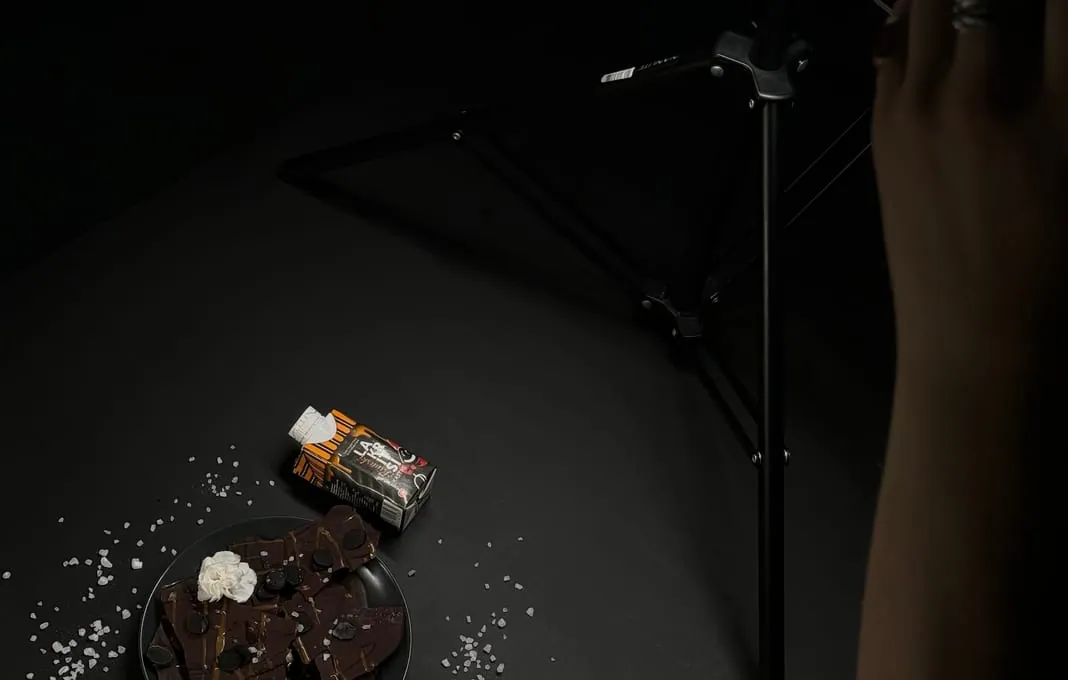
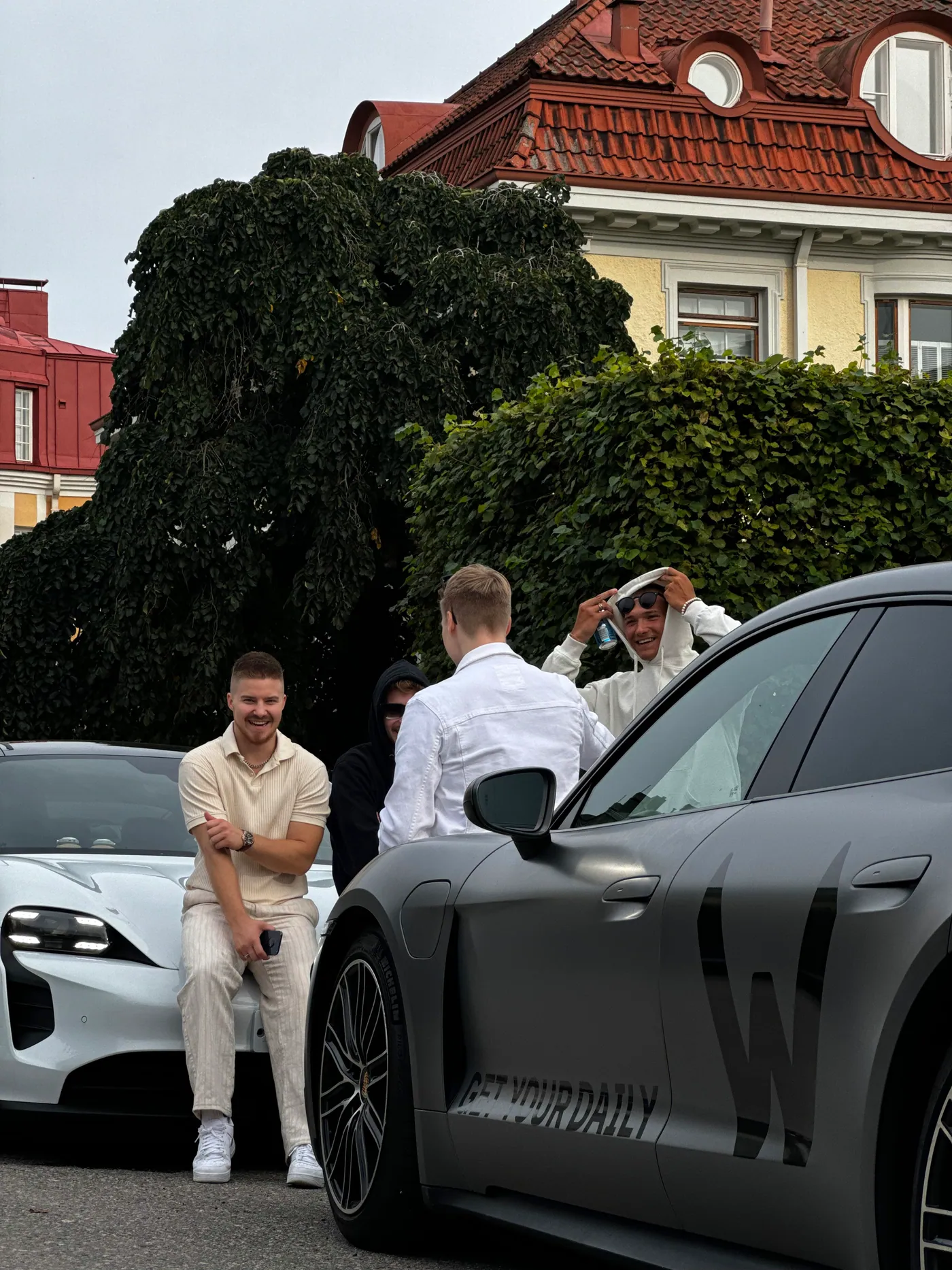
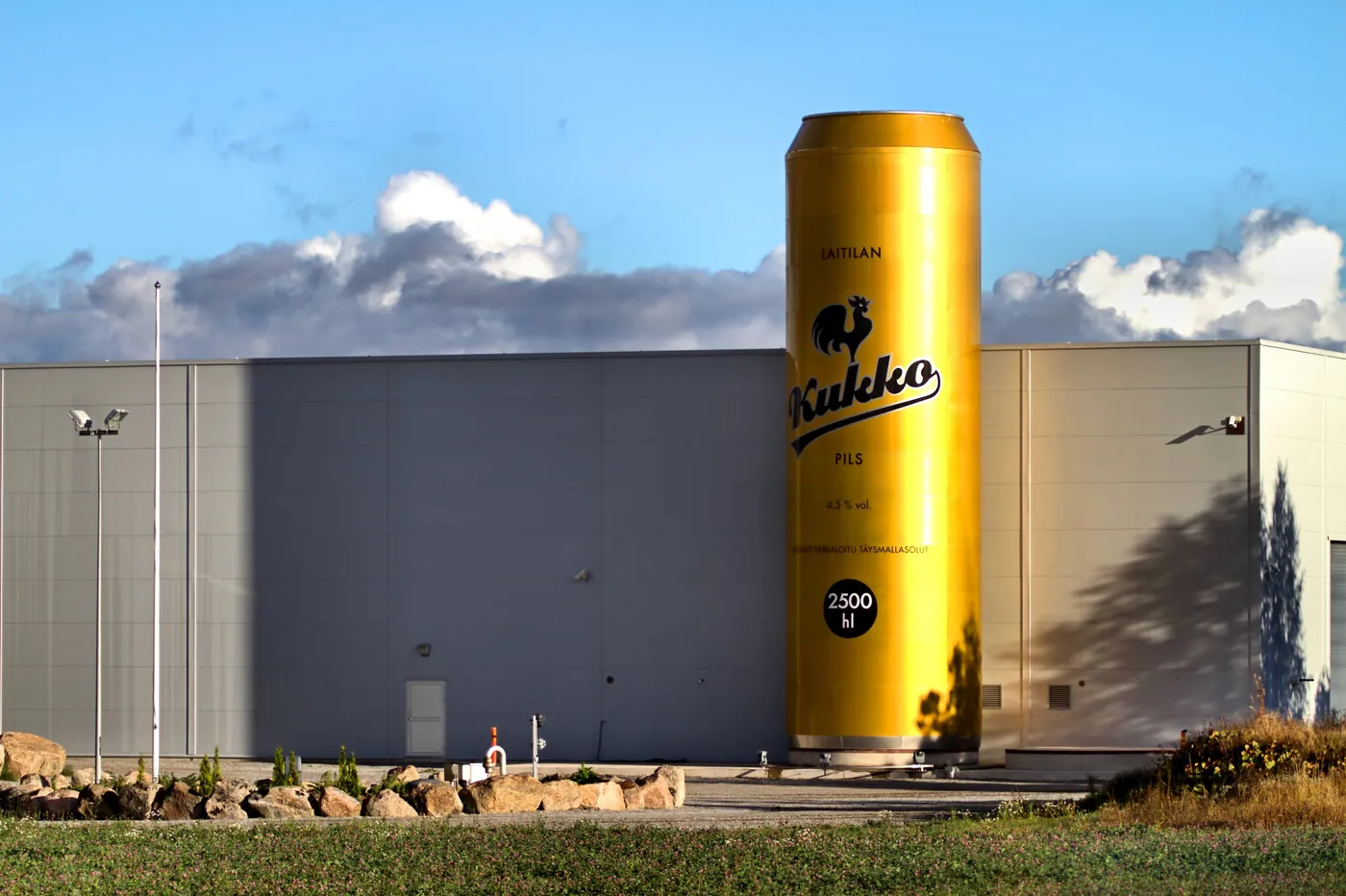
Three different kinds of launch. For Dole we handled the launch of a new product on the social content side in the summer of 2024. W-ENERGY was an entirely new brand on the Finnish market, where we worked on brand development and building awareness. Laitilan was the opposite case: an established brand launched onto a new channel, TikTok.
How we measure
- Reach and audience size before release day
- Sales in the first weeks relative to the launch budget
- Movement in branded search, which shows whether the product was remembered
- Repeat purchases and reviews, which decide whether the launch pays off over time
PACKAGES AND PRICING
Three ways to buy a campaign
A campaign is a planned whole from goal to report. Production and media are priced separately so the fee stays comparable.
Campaign
One goal, one schedule: a hire, an event or an offer.
€2,900
Includes
- Goal, audience and message
- Campaign structure in 1–2 channels
- Creative from your material
- Running and optimisation for the duration
- Results report
Not included
Media budget, shoots.
Book a callLaunch
A product, service or event that has to be visible everywhere at once.
€6,900
Includes
- Everything in Campaign
- Launch plan and timeline
- 1 shoot day and 10+ cuts
- 3–4 channels and a landing page
- Weekly report for the launch
Not included
Media budget.
Book a callOngoing programme
Hiring or events recur, so the marketing runs on a rhythm.
€1,900/mo
Includes
- A monthly plan
- A continuous campaign in 1–2 channels
- Creative refreshed monthly
- Measurement of applications or sign-ups
- A monthly report in euros
Not included
Media budget.
Book a call- Fixed project price, half on start
- All material and source files are yours
- Prices exclude VAT
Shoot day €3,500. Media budget separate.
What it has produced
All case studies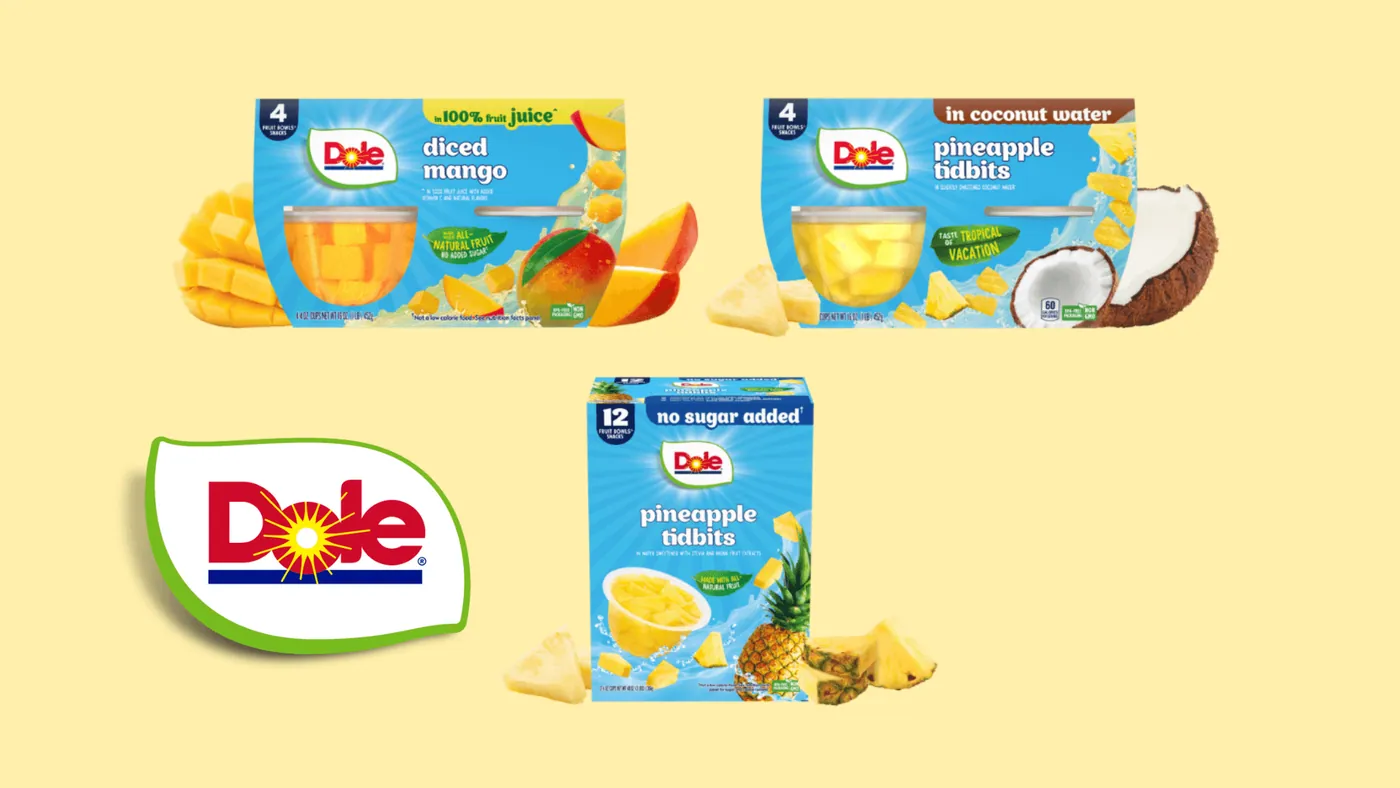
PROCESS
How a launch is timed
The release date is fixed, so the schedule is built backwards from it rather than forwards.
Plan and shoots
Material is shot and finished before release. There is no time to film during launch week, and that surprises people every time.
Building demand
Reach and anticipation, and gathering audiences for retargeting. What is measured at this stage is reach, not sales.
Conversion
The weight shifts to converting demand: search, retargeting to the audience gathered, and availability wherever the product is looked for.
The second wave
Reviews and real use from the first customers cycle back into the advertising, which makes the second wave cheaper than the first.
WHAT WE TRACK
What the monthly report says
Audience size
gathered before release day
Sales
first weeks against the launch budget
Brand search
whether the product was remembered
Repeat purchase
whether the launch pays off over time
WHEN WE DO NOT RECOMMEND THIS
Three situations where we say no
When there are under three weeks
The window opens before release. In under three weeks you can run a campaign, not a launch, and the difference shows in the result.
When the product is not ready
A launch surfaces what is there. If the product, its availability or its page cannot take attention, the attention turns against you.
When the budget is flat all year
A launch is a concentration. If money cannot be focused into a few weeks, what you have is continuous advertising, not a launch.
FAQ
Frequently asked about product launches
How early should a launch start?+
Six to eight weeks before release. Most of that goes on shoots and on gathering audiences, and neither can be rushed during launch week.
Do we need influencers?+
When the product gains from someone else showing it in use. On the Dole launch, food influencers brought the product visibility and credibility; not every product needs it.
What happens after the launch?+
The first customers are the launch’s most valuable content. Reviews and real use cycle back into the advertising, and the second wave of buyers costs less than the first.
Can an existing brand be relaunched?+
Yes, onto a new channel or to a new audience. Laitilan was an established brand launched onto TikTok, which is different work from bringing a new product to market.
See also
Get channels, content and a budget, in 30 minutes
A free call where we go through your goals and propose a concrete plan.